
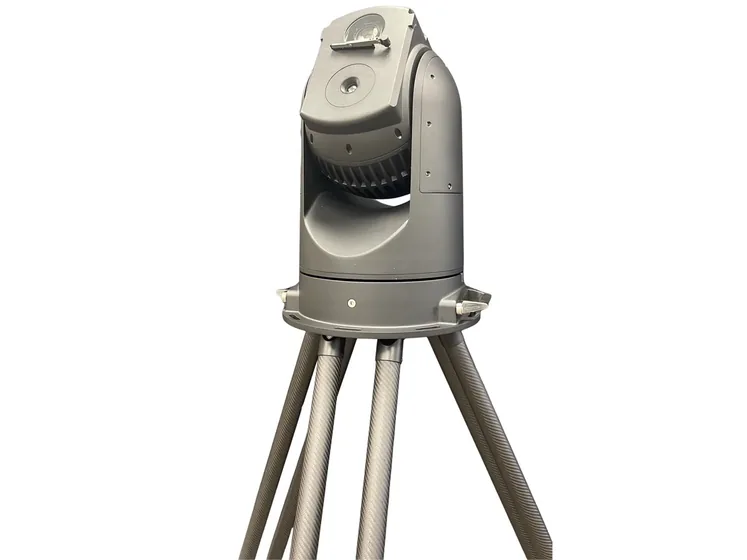
Raptor Vision AI Camera
Normal and thermal camera that detects and tracks drones beyond 2 km, day and night.
Drone detection & tracking
A passive counter-UAS sensor that gives off no signal of its own. It classifies and tracks more than 30 drones at once across 70 MHz to 6 GHz, at over 10 km.
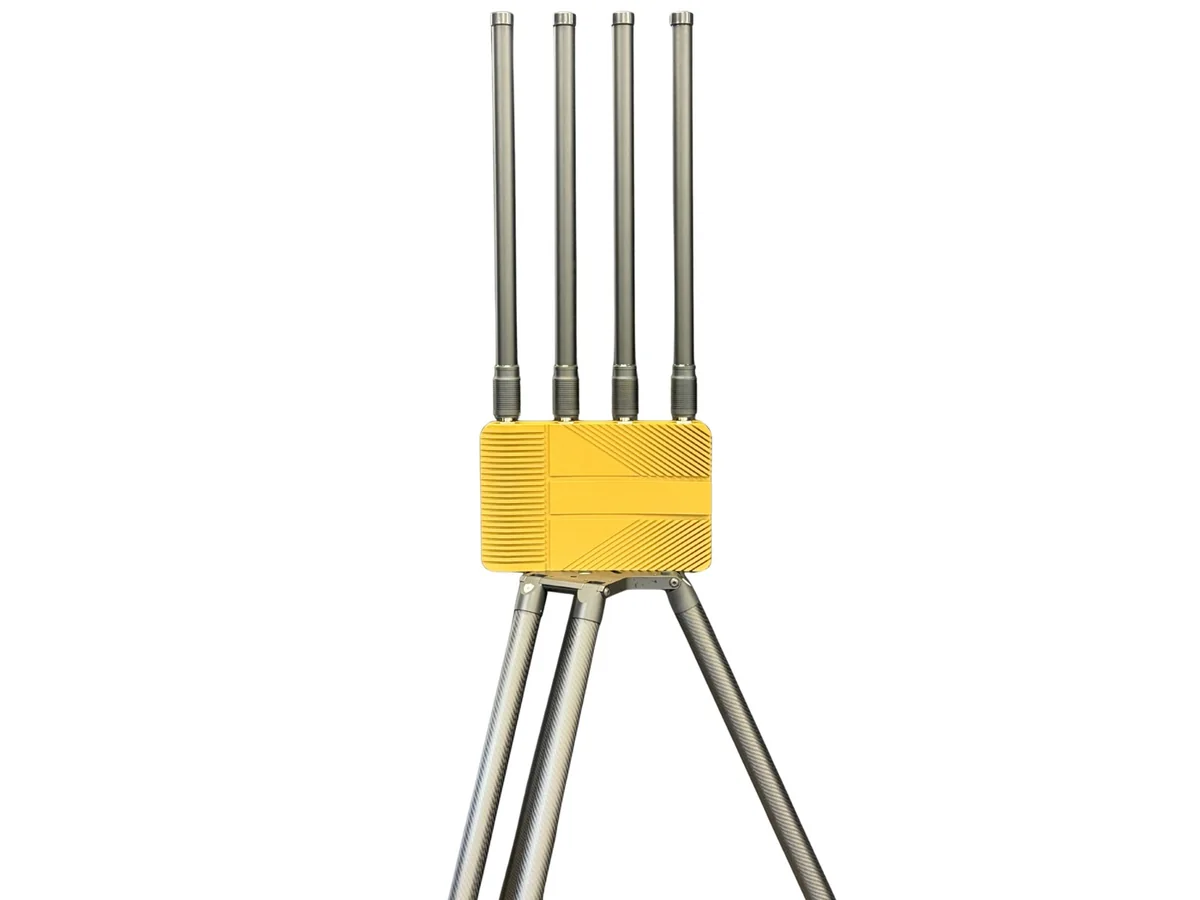
The Raptor Track RF Sensor listens across a wide radio band from 70 MHz to 6 GHz and studies what it hears. It detects, classifies and tracks both commercial and custom-built drones in real time, and it gives off no signal of its own. AI helps it read drone command links, telemetry, video and navigation signals all the time, so it can spot a threat quickly even in a noisy radio environment.
It holds a library of more than 850 drone types, so it classifies targets correctly and raises few false alarms, and it can track over 30 drones at the same time. Because it gives off no signal, the enemy cannot find where it is. It also works with EO/IR cameras, radars and C2 systems to give early warning and show the direction of each target in a layered counter-UAS setup.
Specifications may change. We confirm the exact figures against the current datasheet when you ask.
More from the Raptor series.
Normal and thermal camera that detects and tracks drones beyond 2 km, day and night.
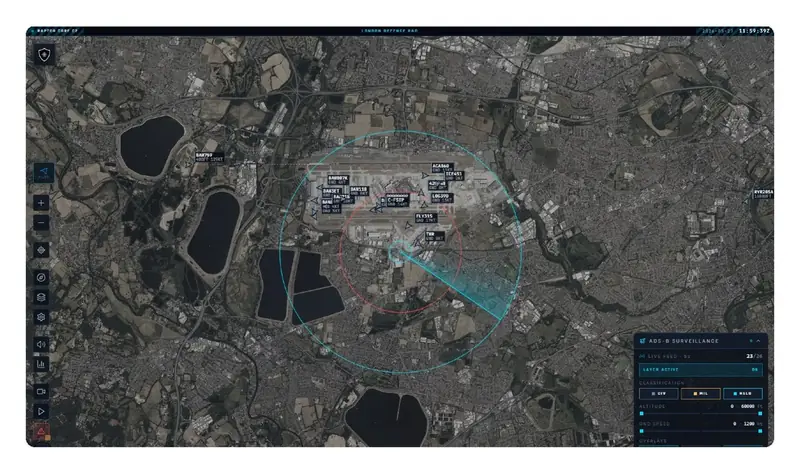
Command-and-control software that brings radars, RF, cameras and drones into one picture.
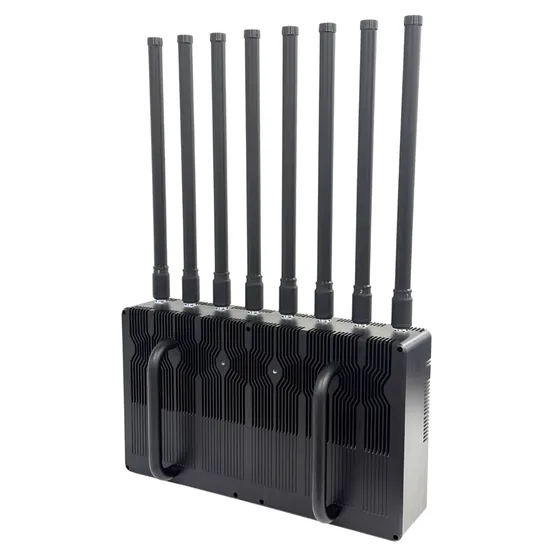
800 W software-defined effector against drone command, video and navigation links.
Tell us what you need and we will show you how Raptor Track RF Sensor fits, how it works with what you already run, and what a first step would look like.